Today, Miami Beach is one of the most recognizable destinations in the world.
Luxury hotels. White sand beaches. Ocean Drive. Million-dollar real estate. Nightlife. Tourism.
But in the early 1900s, Miami Beach looked nothing like it does today.
In fact, most people considered it nearly worthless.
The land across Biscayne Bay was covered in swamps, mangroves, mosquitoes, and dense wilderness. There were few roads, little infrastructure, and almost no serious development.
Many people saw it as unusable land.
But one man saw opportunity.
His name was Carl G. Fisher.
And his vision would help transform Miami Beach into a global destination.
Before Miami Beach Became Miami Beach
Long before luxury condos and beachfront resorts lined the coast, the barrier island east of Miami was largely undeveloped.
Access to the island was difficult.
Conditions were harsh:
Mosquitoes were overwhelming
Swampy terrain made development challenging
There was limited fresh water
Infrastructure barely existed
To many investors, building a city there seemed unrealistic.
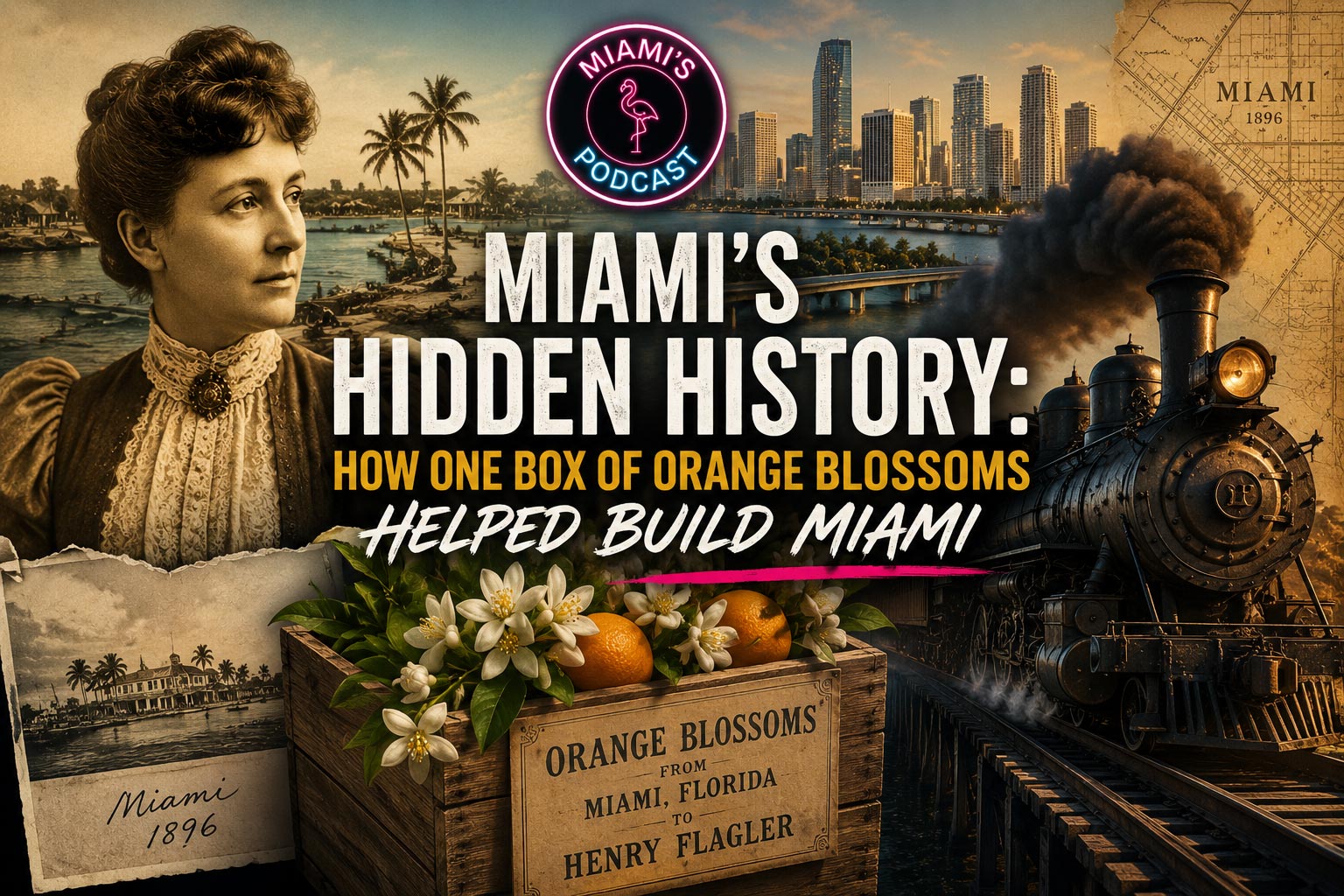
At the time, Miami itself was still young. The city had only officially incorporated in 1896, following the expansion of Henry Flagler’s railroad into South Florida.
But while Miami was beginning to grow on the mainland, the land across the bay remained mostly untouched.
That’s where Carl Fisher entered the story.
The Coconut Farm Vision
Carl Fisher originally became interested in the area through agricultural possibilities, particularly coconut farming and tropical development opportunities.
But Fisher wasn’t just a farmer or investor.
He was a master promoter.
Before his involvement in Miami Beach, Fisher had already built a reputation as a successful entrepreneur and marketing visionary. He helped develop the Indianapolis Motor Speedway and played a major role in promoting the automobile industry in America.
When Fisher looked at Miami Beach, he didn’t just see swampland.
He saw potential.
He envisioned:
Luxury tourism
Wealthy winter visitors
Resorts and entertainment
High-end real estate
A tropical escape unlike anywhere else in America
Most people thought he was crazy.
But Fisher moved forward anyway.
Building a City From Scratch
Turning Miami Beach into a destination required more than vision—it required infrastructure.
Fisher and his partners began investing heavily into development projects that many considered impossible at the time.
They built:
Bridges connecting Miami to the beach
Roads and transportation systems
Luxury hotels
Residential developments
Drainage systems to make the land buildable
One of the most important projects was the construction of bridges connecting the mainland to Miami Beach, making access dramatically easier for residents and tourists.
Slowly, the isolated barrier island began transforming into a destination.
But Fisher understood something important:
Building a city is one thing.
Convincing people to come there is another.
The Elephant Marketing Stunt That Made Headlines
Carl Fisher may have been one of America’s earliest marketing geniuses.
To attract national attention to Miami Beach, Fisher staged publicity stunts that were impossible to ignore.
The most famous involved elephants.
Historical photos show elephants standing in the waters of Miami Beach as part of promotional campaigns designed to grab attention and generate newspaper coverage across the country.
And it worked.
The images spread nationwide.
At a time before social media or television, newspapers were one of the most powerful marketing tools in America—and Fisher knew exactly how to use them.
The elephant photos created curiosity, conversation, and publicity.
People across the country suddenly began paying attention to Miami Beach.
What looked bizarre to some people became one of the most effective tourism marketing campaigns of its time.
In many ways, Fisher understood viral marketing decades before the internet existed.
The Rise of Miami Beach
As publicity increased, development accelerated.
Hotels expanded.
Tourists arrived.
Wealthy visitors began vacationing in South Florida during the winter months.
Miami Beach quickly developed into:
A luxury tourism destination
A playground for the wealthy
A rapidly growing real estate market
One of America’s most recognizable coastal cities
Over time, the city evolved into the global destination we recognize today.
From:
South Beach
Art Deco architecture
Luxury resorts
International nightlife
Oceanfront real estate
…much of modern Miami Beach traces back to Carl Fisher’s willingness to bet on land others ignored.
What Carl Fisher Understood About Marketing
Carl Fisher’s story isn’t just about real estate.
It’s about attention.
He understood something that still shapes business today:
People invest in what captures imagination.
The elephant photos were more than a gimmick.
They were strategic branding.
Fisher knew that if he could get the country talking about Miami Beach, growth would follow.
And it did.
Today, Miami Beach remains one of the most photographed, visited, and recognized destinations in the world.
From Swampland to Global Icon
It’s difficult to imagine today, but there was a time when Miami Beach was viewed as undevelopable wilderness.
No skyline.
No tourism empire.
No luxury hotels.
Just mangroves, mosquitoes, and uncertainty.
But history often changes because of people willing to see opportunity where others see obstacles.
Carl Fisher was one of those people.
And his vision helped create one of the most iconic coastal cities in America.
Miami’s Hidden History — Part 2
This story is part of Miami’s Hidden History, a series from Miami’s Podcast uncovering the untold business, cultural, and historical stories that helped shape the Magic City.
Because behind every famous city…
There are hidden stories most people never hear.
Final Thought
One investor.
One vision.
One unforgettable marketing stunt.
And one massive belief in the future of Miami Beach.
Sometimes the cities that change the world begin with someone willing to believe in impossible land.